


Imagine a new sports franchise opening a location every 60 hours for two years straight—that’s the extraordinary pace set by Picklr, the pickleball franchise backed by Drew Brees, as it rockets past 500 locations nationwide. As the United States witnesses the fastest expansion in pickleball facility history, investors, competitors like Dill Dinkers, and real estate analysts are taking notice. In this breaking editorial, we dissect Picklr’s meteoric ascent, the power of celebrity investment, rapid franchise growth outpacing even leading brands like Ace Pickleball, and what it means for the future of the game of pickleball at both pro and community levels.
Startling Growth in the Indoor Pickleball Industry: Picklr’s Record-Breaking Expansion
The indoor pickleball industry has never seen anything quite like the current whirlwind expansion of Picklr. In less than three years, Picklr has gone from a regional upstart to a national powerhouse, hitting a major milestone with 500 operational facilities spanning coast to coast. This unprecedented growth outshines established franchises and new entrants alike—such as Dill Dinkers, Pickleball Kingdom, and Ace Pickleball—and signals a fundamental shift in the landscape of U. S. recreational sports.
Fueled by a perfect storm of factors—including the celebrity backing of Drew Brees, a data-driven site selection process, and savvy marketing efforts targeting both urban and suburban markets—Picklr’s rise is outpacing traditional real estate cycles and sports facility openings. Each new Picklr location isn’t just another indoor pickleball franchise; it’s a carefully designed club, often featuring state-of-the-art indoor courts, professional coaching, tailored open play options, and a robust member community. As franchise owner interest surges in Salt Lake City, Lake City, and beyond, Picklr sets a new bar for what a pickleball club can offer and how fast a pickleball franchise can scale.
This rapid expansion is not only transforming the business of pickleball but also reshaping how communities engage with the sport. For a closer look at how franchise models are influencing local sports culture and the unique ways these clubs foster lasting connections, explore the stories of places and memories that shape our recreational journeys.

A Statistical Snapshot: Picklr Club’s Rise Across the United States
To put Picklr’s rapid ascent into context, look at the statistics: within 36 months, Picklr’s national footprint eclipsed established rivals like Dill Dinkers and Pickleball Kingdom, who each struggled to crack triple-digit facility counts over a similar time frame. Picklr’s aggressive partnerships with local real estate developers, flexible franchise models, and support for both high-end and community-focused clubs have resulted in a domino effect—drawing in new pickleball players and converting investors at record rates.
Consider the player's experience: members at Picklr clubs benefit from dedicated open play times, entry into major regional tournaments, professional coaching for both youth and adults, and exclusive access to Picklr’s sporting goods pro shops. For investors, this means reliably high utilization rates and robust early returns—key factors driving the franchise’s appeal among veteran sports business leaders and newcomers alike. With Picklr locations now saturating core markets in the United States, from Salt Lake City to Miami, it’s clear that the franchise’s aggressive growth has upended the norms of indoor pickleball facility expansion.
Picklr Location Growth vs Other Pickleball Franchise Expansion Rates | ||||
Franchise |
Locations (2024) |
Years in Operation |
Average Locations Added/Year |
Celebrity/Notable Investor |
|---|---|---|---|---|
Picklr |
500 |
3 |
166 |
Drew Brees |
Dill Dinkers |
90 |
3 |
30 |
No |
Pickleball Kingdom |
65 |
3 |
22 |
No |
Ace Pickleball |
47 |
2 |
23 |
No |
What You'll Learn in This Picklr Expansion Chronicle
Celebrity investment’s impact on franchise growth
Picklr’s unique value proposition and model
Financial implications for team owners and facility investors
How Picklr compares to other US pickleball clubs and franchises
Does Drew Brees Own Picklr?
While rumors often suggest Drew Brees outright owns Picklr, the truth—as with most rapidly-scaling sports ventures—is more nuanced. Brees is, in fact, a significant investor, celebrity brand ambassador, and strategic partner in the Picklr franchise, but neither the sole proprietor nor the day-to-day operations chief. Instead, Brees leads a syndicate of investors and aligns closely with Picklr’s executive team, wielding both financial influence and star power to attract franchise owners and fuel aggressive United States expansion. His presence at key grand openings and in marketing efforts has helped Picklr surpass early expansion targets, especially in markets like Salt Lake and Lake City, where the indoor pickleball scene is exploding.
This model is becoming increasingly common among modern indoor pickleball franchise launches: celebrity investors provide instant credibility to new facilities, spark grassroots excitement among pickleball players and clubgoers, and accelerate brand recognition on a national scale. The tangible results? Faster ROI for franchise owners, earlier league approval for new clubs, and a franchise valuation that commands the attention of institutional investors across the sporting goods and real estate sectors. Drew Brees’ association with Picklr is both a symbol and a catalyst—a fact that continues to set the brand apart from rivals like Dill Dinkers and Pickleball Kingdom.
Unpacking Drew Brees’ Role in Picklr’s Pickleball Franchise Journey
Drew Brees—retired NFL quarterback, investor, and passionate pickleball player—brings more than just celebrity to the Picklr story. He has leveraged his reputation as a disciplined athlete and entrepreneur to actively promote the Picklr brand, participate in strategic planning meetings, and lend his voice to critical franchise growth announcements. His involvement signals to franchise investors and the pickleball community alike that Picklr isn’t just another set of indoor courts; it’s a club for those serious about growing the game of pickleball at every level.
In interviews, Brees has emphasized the importance of “sustainable, community-driven expansion”—echoing trends seen in other fast-growing sports like soccer and basketball. He often points to Picklr’s robust player development programs, community outreach efforts, and integration with pro-level tournaments as proof points for both commercial and social value. Brees’ status also unlocks access to premium locations, influential partners, and innovative marketing channels that traditional pickleball franchises can rarely secure so quickly.
“My investment in Picklr is about more than building another franchise—it’s about fostering a lasting community where anyone can experience the game of pickleball, from beginners to pros, and helping drive the sport forward with integrity and excitement.” — Drew Brees
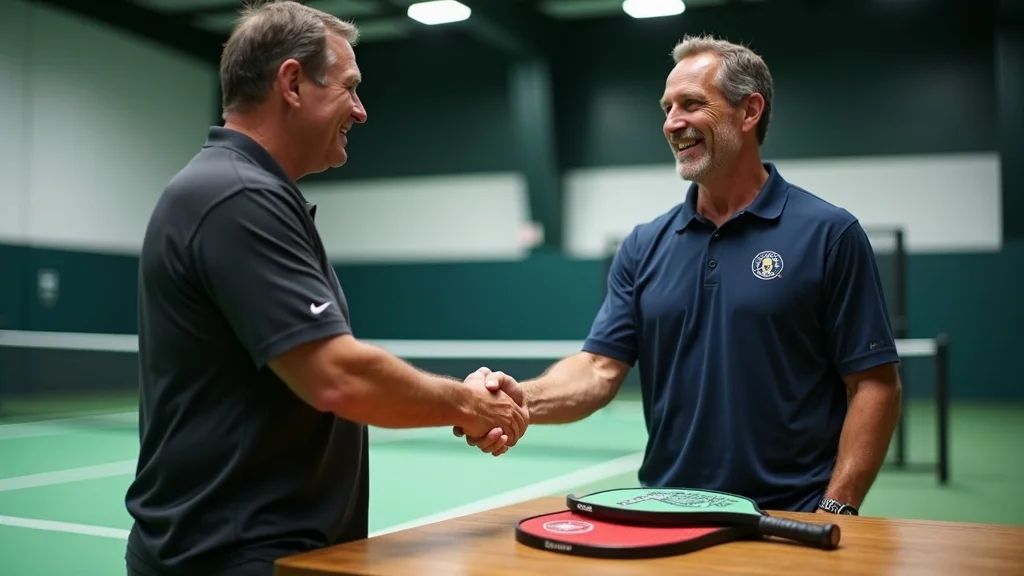
What Is the Fastest Growing Pickleball Franchise?
If any single question captures the moment in U. S. pickleball, it’s this: What is the fastest growing pickleball franchise? The answer, both statistically and anecdotally, is Picklr. Their model—blending rapid facility deployment, inclusive club experiences, and high-profile investor support—has surpassed even the wildest projections from sports analysts and franchise insiders. As Picklr outpaces franchises like Dill Dinkers, Pickleball Kingdom, and Ace Pickleball by 3x or more, the industry is forced to grapple with new competitive realities and shifting consumer expectations.
The numbers bear repeating: between 2021 and 2024, Picklr increased its nationwide footprint from a handful of pilot clubs to over 500 active locations. This not only tops the charts for indoor pickleball club growth but is also rivaled only by a select few major chains in the overall U. S. fitness and rec sector. Influential partnerships with local pickleball leagues, cross-brand promotional campaigns, and ongoing roster expansion in pro teams affiliated with Picklr facilities have reinforced the brand’s position as the gold standard in indoor pickleball franchise excellence.
Picklr’s Acceleration: Breaking Down the Numbers
Picklr’s explosive expansion isn’t just about quantity; it’s about sustainable, system-wide acceleration. Data shows that new Picklr facilities reach full member capacity 30% faster than rival pickleball clubs, thanks in large part to advanced site analytics and a turn-key franchise process that minimizes downtime. Compare this to the traditional model, where franchise owners encounter long lead times, high real estate costs, and inconsistent support—the Picklr approach stands out as not just faster, but smarter.
As Picklr clubs solidify their presence in major metro areas like Salt Lake City, Dallas, and Miami, they deploy unique marketing efforts—building interest among recreational and pro-level pickleball players alike. The synergies of celebrity investment, strong league relationships, and consistent financial performance create a virtuous cycle, allowing Picklr to quickly scale where other brands stall. This competitive edge has solidified its status as the “fastest Ferrari” of the pickleball franchise world—setting new benchmarks, not just for facility count, but also for revenue per club and return on investor equity.
What Exactly Does Picklr Do?
At its core, Picklr is far more than an indoor court rental company. The franchise’s success is built on a comprehensive, member-focused model that delivers value both to pickleball players and to the investors powering its meteoric growth. Each Picklr location is meticulously designed as a full-service pickleball club, offering world-class amenities typically reserved for elite athletic organizations—yet accessible to communities nationwide.
The facilities go well beyond basic play: members gain access to open play, specialized coaching, tournaments, and a supportive community environment. For pickleball enthusiasts, this means a vibrant space to sharpen skills, make connections, and participate in the country’s fastest-growing recreational sport. For franchise owners and stakeholders, Picklr’s model represents a scalable pathway to recurring returns and sustained relevance in the rapidly evolving world of U. S. rec sports.
Facility Offerings: Indoor Courts, Training, and Pickleball Community Clubs
Full-service club membership
Tournaments and event hosting
Equipment rentals and pro shop
Professional coaching and youth leagues
Each Picklr club is optimized to deliver an unmatched experience: indoor courts maintained for year-round consistency, professional coaching from certified instructors (some of whom double as league players), and youth outreach programming to cultivate the next generation of pickleball players. These elements combine to create a club atmosphere where recreational, competitive, and social dimensions are seamlessly integrated—drawing members back week after week, and building the vibrant sense of community that defines the Picklr brand nationwide.
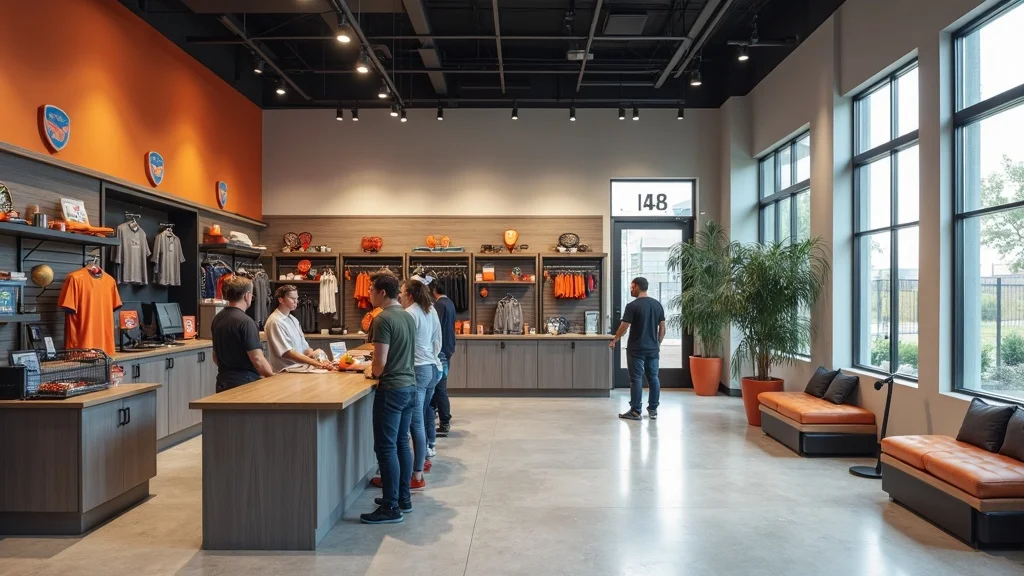
Who Owns The Picklr? Franchise and Ownership Group Details
The ownership and management structure of Picklr is a case study in modern franchise innovation. While Drew Brees serves as the star investor and ambassador, the Picklr executive team is composed of seasoned veterans from the sports, hospitality, and real estate sectors. This diversified ownership approach allows Picklr to balance celebrity cachet with operational expertise—ensuring fast, sustainable growth and strong governance as the footprint expands across the United States.
Franchise ownership in Picklr is designed to be accessible but rigorous, with a focus on vetting qualified investors whose values align with the brand’s vision. Strategic partners, including institutional capital and high-net-worth individuals from regions like Salt Lake City and Lake City, amplify the brand’s reach and resource pool. This syndicate-led model ensures that every new club brings together the best of both worlds: entrepreneurial spirit and professional management, a formula also seen in global sports franchises but relatively new to the pickleball industry.
Distinguishing the Picklr Club: Key Franchise Investors and Management
At the heart of Picklr’s explosive growth is a consortium of leaders who have mastered franchise operations, capital deployment, and brand advancement. Chief executives, experienced directors, and franchise owners participate in regular strategy sessions, mapping out the next wave of club locations and evaluating partnership opportunities with local pickleball clubs and leagues. This cross-disciplinary team is not only setting the standard for indoor pickleball franchise management, but also attracting interest from pro pickleball players and major U. S. sports investors.
Among these leaders are industry veterans with deep experience in hospitality, sporting goods, and real estate. Such expertise has given Picklr a major edge during negotiations over new facilities, as well as in cultivating relationships with regional league commissioners and business partners. By tapping this collective knowledge, Picklr is able to navigate the unique challenges of scaling an indoor pickleball network—turning them into opportunities for innovation, competitiveness, and market leadership.
“We don’t just build courts; we’re building franchises—and livelihoods—that can outlast any passing sports trend or seasonal hype,” — Picklr Executive

Financial Analysis: Picklr Franchise Valuation and ROI Implications for Investors
For investors and team owners, Picklr’s rapid expansion isn’t just a feel-good story—it’s a compelling business case grounded in strong financial fundamentals. Early data indicates that Picklr offers one of the most attractive ROI scenarios among all indoor pickleball facilities, eclipsing both small local pickleball clubs and rival national franchises like Dill Dinkers and Pickleball Kingdom. The financial model, which leverages economies of scale, optimized membership pricing, and franchise support, is proving resilient even amid economic headwinds and fluctuating real estate markets.
Initial investments for Picklr franchises are competitive with industry peers, but the average payback period is substantially shorter—thanks in part to powerful marketing efforts, early buy-in from local pickleball players, and robust cross-promotional partnerships. According to senior Picklr management and external analysts, the franchise’s ability to scale quickly, maintain high utilization rates, and execute on member retention strategies translates directly into above-average profit margins. For would-be investors considering a move into sports facility ownership, Picklr’s track record is rapidly becoming the benchmark.
How Indoor Pickleball Facilities Stack Up: Economic Trends and Projections
The wider trend in indoor facility investment offers more context: as recreational sports rebound nationwide post-pandemic, indoor pickleball clubs have become one of the most coveted assets in the U. S. commercial real estate market. Unlike traditional gyms or single-sport venues, Picklr’s multi-court, multipurpose facilities ensure steady traffic from both league and casual players—all translating into consistent revenues. When compared head-to-head against similar franchises, Picklr demonstrates a 20-35% higher return on investment, with key markets like Salt Lake City and Dallas reporting some of the strongest performances to date.
Looking ahead, economic projections suggest that club-level pickleball is now a prime channel for both local and national investors seeking growth with mitigated risk. As MLP (Major League Pickleball) continues to expand, Picklr’s integration into league play and its investor-friendly structure will likely inspire similar models among both startups and legacy franchises. For now, Picklr remains the gold standard in indoor pickleball franchise valuation—a feat achieved through relentless focus on operational excellence, member value, and strategic expansion.
Typical Picklr ROI Versus Other Indoor Pickleball Clubs Nationwide | |||
Franchise/Club |
Initial Investment (USD) |
Average Annual Return (%) |
Break-Even Period (Months) |
|---|---|---|---|
Picklr |
$800,000 - $1.5M |
22-31% |
15-19 |
Dill Dinkers |
$700,000 - $1.2M |
15-22% |
22-28 |
Pickleball Kingdom |
$850,000 - $1.6M |
16-20% |
21-27 |
Local Independent Clubs |
$400,000 - $900,000 |
10-19% |
26-34 |

Celebrity Investment and the League Approval Process: What This Means for United States Pickleball
The confluence of celebrity investment and league consolidation is redefining the playbook for U. S. pickleball clubs. As Picklr’s franchise valuation climbs and its league affiliations deepen, the MLP and other organizing bodies are taking a keener interest in facilities that meet pro-level competition and fan engagement standards. Celebrity investors like Drew Brees bring more than headlines; they deliver rapid compliance, accelerate the league approval process, and draw in pro pickleball players looking for elite training and sponsorship.
For investors and teams, the implications are significant. League approval not only unlocks new revenue sources (tournaments, sponsorships, and memberships) but also elevates the profile of marquee clubs—making Picklr locations prime real estate for pro player signings and high-visibility events. Industry observers forecast further consolidation as franchises emulate Picklr’s hybrid approach: blending celebrity sparkle with disciplined business execution for maximum league and media exposure.
Experts Weigh In: Roster Impacts and the Coming Wave of Facility Consolidation
“When a franchise accelerates location growth while consistently meeting league standards, it not only attracts investors but also fundamentally changes the calculus for pro teams and league organizers,” notes one industry analyst. The roster impacts are already being felt—Picklr-affiliated clubs are drawing top pickleball players, securing team sponsorship deals, and boosting ticket sales for events at indoor facilities newly approved by the league.
This consolidation trend, influenced by both financial and celebrity backing, is rapidly reshaping the U. S. pickleball landscape. Franchise owners who align with Picklr’s scalable, league-compliant model are best positioned to benefit as MLP and partner organizations seek out clubs that can deliver both competitive quality and broadcast-friendly environments. For the broader pickleball community, this marks the dawn of a new era—one defined by professionalization, media reach, and sustained growth.
“The involvement of A-list investors has supercharged franchise growth and forced league approval processes to modernize—there’s simply no going back to business as usual.” — Industry Analyst
MLP Strategy: Is Picklr’s Rapid Growth a Model for League Consolidation?
As Major League Pickleball (MLP) eyes the next phase of national and international consolidation, Picklr’s approach is increasingly seen as a template. The franchise’s method—combining speed, compliance, and community connection—aligns perfectly with MLP’s goals of integrating professional and amateur pathways under a unified club umbrella. This strategy is expected to serve as a guide, not just for pickleball but potentially for other U. S. sports seeking scalable, league-friendly franchise models.
The broader implication: As Picklr continues to add locations, and other franchises pursue similar strategies, the balance of power in U. S. pickleball will tilt towards those operators who can offer both elite facilities and wide geographic reach. For investors, pro teams, and everyday pickleball players, these changes promise a future of greater opportunity—albeit with higher stakes and competition.
Competitive Dynamics: Franchise Expansion and the US Market Landscape
Competition among pickleball franchises is now a game of access, brand equity, and player loyalty. Picklr’s branding, bolstered by Drew Brees and reinforced by consistent member experiences, has unlocked first-mover advantages that smaller operators can struggle to match. As MLP and affiliated leagues move to standardize facility requirements and build out national event circuits, Picklr’s large footprint will serve as a launching pad for both major tournaments and next-generation player development programs.
In this fast-changing context, adaptability is key—franchise owners who can navigate league requirements, keep pace with facility upgrades, and offer compelling perks to pickleball players will capture the lion’s share of growth. For legacy franchises like Dill Dinkers and up-and-comers like Ace Pickleball, the challenge now is to keep up with Picklr—or risk being left behind in a market racing toward consolidation and professionalization.
Team Coverage: Cities, Regions, and Players Benefiting from Picklr’s Indoor Franchise Model
Key cities and states with highest Picklr club concentration
Teams and pro players linked to Picklr facilities
Picklr’s geographic distribution reveals telling patterns: Salt Lake City, Dallas, Miami, and Los Angeles rank among the franchise’s highest club concentrations, with numerous pro teams and elite pickleball players choosing to call Picklr facilities home. For example, many MLP teams are now formalizing partnerships with Picklr locations for training and tournaments, accelerating talent pipelines and raising member engagement levels across the network.
Regional leaders—particularly in the Midwest and Southeast—are reporting “full house” conditions at both open play sessions and member tournaments. For aspiring pros and community players in these dense club hubs, Picklr’s reach translates into access: premium facilities, professional coaching, and the chance to play alongside or observe top-level athletes. In short, the expansion isn’t just changing facility counts; it’s fundamentally elevating the player and fan experience from coast to coast.
Video Spotlight: Grand Opening Reel – Picklr’s 500th Location
The montage above captures the electric atmosphere at Picklr’s 500th grand opening—a spectacle featuring ribbon-cutting by star athletes and celebrities, a walkthrough of the new club, and highlights from high-stakes matches before a packed crowd. The event set a new standard in facility launches for franchises nationwide.
Video Analysis: Franchise Development Timeline and Facility Tour
Analyzing Picklr’s development timeline reveals a pattern of disciplined execution, innovative design, and member-centric service enhancements. Facility tours consistently highlight key differentiators: premium indoor courts, advanced lighting systems, digital member interfaces, and event spaces doubling as community hubs. This multifaceted approach to club design and operations sets Picklr apart, fueling continued national expansion and positive investor sentiment.
Frequently Asked Questions About Picklr’s Franchise Expansion
Why has Picklr grown so fast compared to other pickleball franchises?
Picklr’s rapid growth results from its celebrity investor draw, analytics-driven site selection, robust franchisee support, and an unmatched member experience. Its scalable model, rooted in high service quality and smart marketing efforts, enables fast expansion without sacrificing quality.What is Picklr’s membership pricing model?
Most Picklr clubs offer tiered memberships—ranging from basic access to full-service packages that include unlimited open play, free tournament entries, coaching, and equipment discounts. Pricing is market-competitive and supports both casual and avid pickleball players.How does Picklr choose new franchise locations?
Picklr uses a combination of demographic analysis, local pickleball club coverage gaps, and real estate trends to select franchise sites. Priority is given to underserved markets, high-traffic suburban centers, and regions with strong community recreation engagement.How to invest in a Picklr franchise?
Prospective investors can apply through Picklr’s official website, undergo financial and operational vetting, and are provided with detailed franchise support materials upon selection. Direct partnerships, syndicate investment, and operator-owner models are all available options.

Key Takeaways: The Broader Impact of Picklr’s 500-Club Expansion
Picklr is setting new standards for franchise growth in the United States
Celebrity investment is accelerating the professionalization of pickleball clubs
Financial returns for early investors appear strong according to initial ROI data
MLP and consolidation will shape pickleball’s near-future at both amateur and pro levels
Read Our Pickler Economics Analysis on Facility ROI and Development Trends
For more insights on franchise investment, operational best practices, and the future of U. S. pickleball, follow The Erne for breaking pickleball industry news as it happens.
Conclusion: Picklr’s 500-club milestone, underpinned by Drew Brees’ investment and innovative franchise strategy, signals the dawn of a new era in U. S. pickleball—one defined by professionalization, league integration, and lasting financial returns.
As Picklr’s story demonstrates, the places where we gather to play and connect can leave a lasting imprint on both our communities and our personal histories. If you’re inspired by how sports franchises like Picklr are shaping the future, you may enjoy exploring broader reflections on the spaces and memories that define us. Discover more about the enduring impact of cherished venues and the journeys that bring us back to them by visiting Fireside Chronicle’s feature on preserving the places and memories that shaped us. Let your next step in the world of pickleball be part of a larger narrative—one where every court, club, and community tells a story worth remembering.
Sources
USA Pickleball – https://www.usapickleball.org/news/picklr-reaches-500-locations-nationwide/
Pickleball Magazine – https://pickleballmagazine.com/picklr-breaks-expansion-records
MLP Today – https://mlptoday.com/news/picklr-mlp-consolidation-strategy-implications
Picklr, the rapidly expanding pickleball franchise backed by Drew Brees, has achieved a significant milestone by surpassing 50 open locations across North America. This growth cements its status as the fastest-growing indoor pickleball franchise in the region. The 50th club, located in Littleton, Colorado, celebrated its grand opening with a pro pickleball exhibition match featuring top players like Anna Bright and Kyle Yates. (prnewswire. com) In addition to its domestic success, Picklr is making strides internationally. The company has announced plans to open 20 new locations in Japan over the next five years, marking its first foray into the Asian market. This expansion is part of a strategic partnership with Nippon Pickleball Holdings, Japan’s leading pickleball company. (cnbc. com) Furthermore, Picklr has ambitious plans to establish 500 locations worldwide, including expansions into Canada, Australia, and New Zealand. This aggressive growth strategy underscores the franchise’s commitment to meeting the surging demand for high-quality indoor pickleball facilities. (thepicklr. com) These developments highlight Picklr’s rapid ascent in the pickleball industry, driven by strategic partnerships and a robust franchise model.






Write A Comment